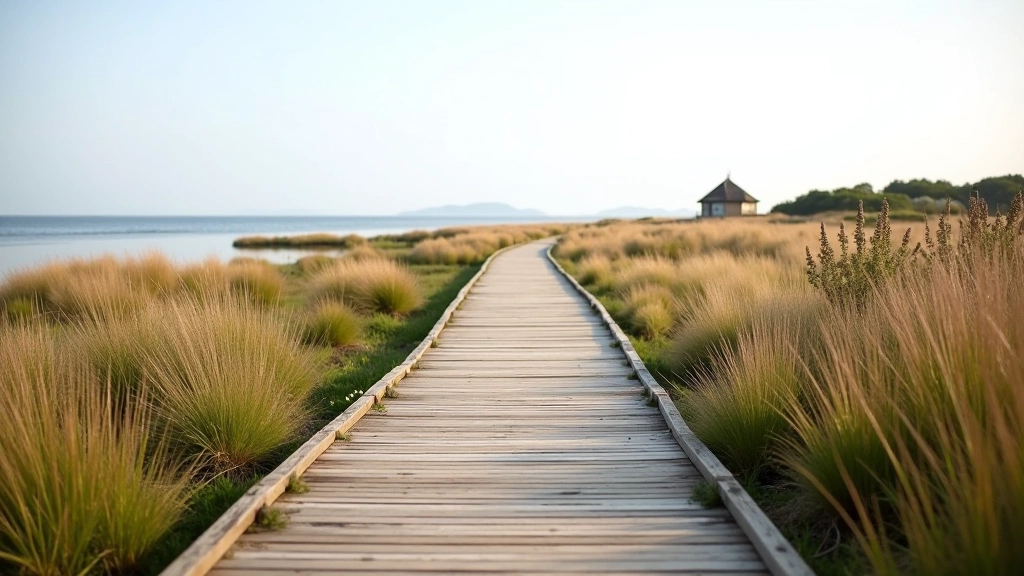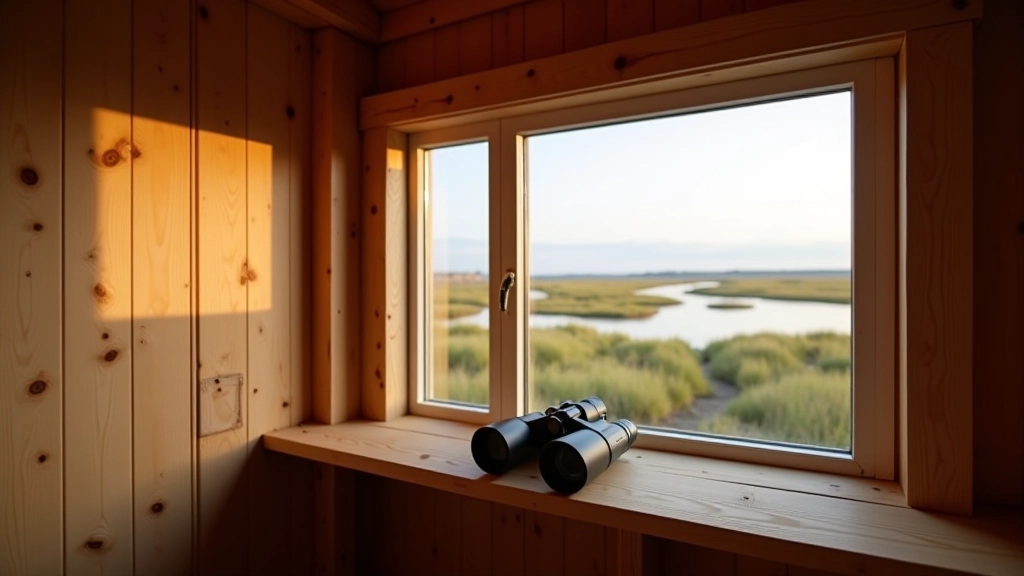
Accessibility & Comfort for Pensioners

Enjoying Nature at Your Own Pace
Tramore Backstrand isn't just beautiful — it's designed for visitors of all abilities. Whether you're managing mobility concerns, looking for rest areas, or simply wanting a gentle outing, the boardwalk offers genuine accessibility features that don't feel like afterthoughts. We've spent time here understanding what actually works for older visitors, and there's plenty to like.
This guide covers the real details: where the accessible parking sits, how the path flows, which facilities work best, and honest tips from people who've visited regularly. It's practical information for planning a comfortable day out.
Wheelchair Accessible
Full boardwalk access with gentle slopes and no steps
Rest Areas
Benches positioned every 50-100 meters throughout the walk
Clean Facilities
Accessible toilets at the main entrance and bird hide
Clear Signage
Well-marked routes and distance indicators
Getting There: Parking & Entry
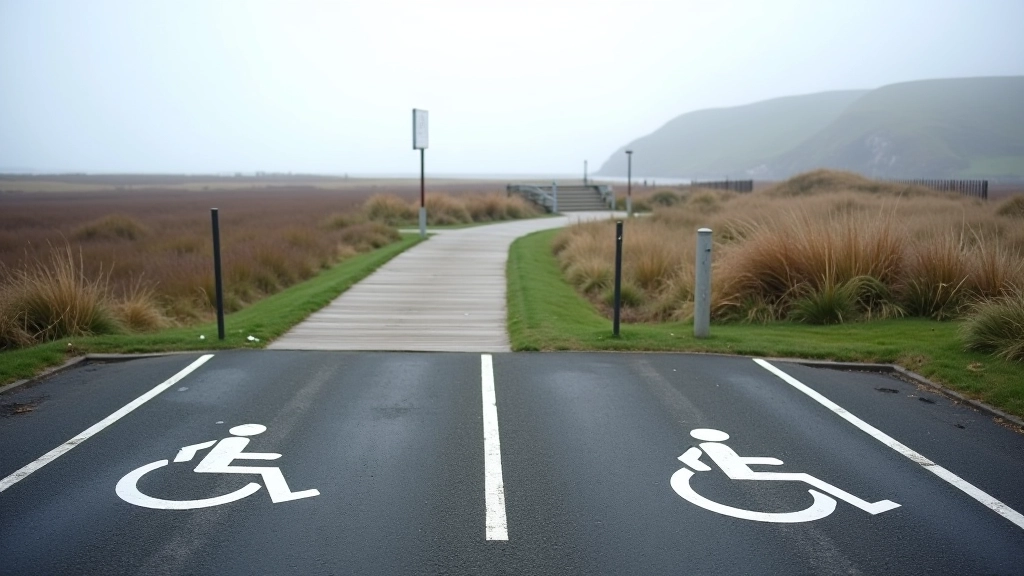
The car park sits just meters from the boardwalk entrance, which makes a real difference if walking's a challenge. There's a dedicated accessible parking area with five spaces — not huge, but we've found it's usually available outside peak season. The tarmac is level and even.
From the car park, you'll walk about 30 seconds on level ground to reach the boardwalk proper. There's no steps, no gravel, just smooth access. The entrance gate opens easily — not those heavy push-gate types that catch you off guard.
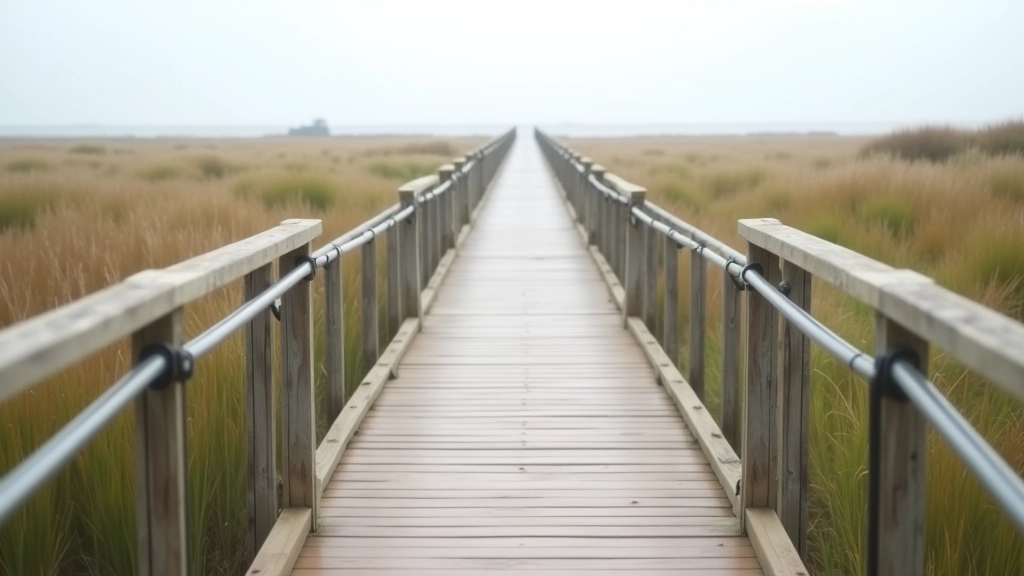
The Boardwalk: Design That Works
The boardwalk itself is roughly 1.2 kilometers long if you do the full loop. You don't have to do it all though — you can walk out 200-300 meters, rest, and head back. That's perfectly normal here.
The wooden deck is sturdy with solid handrails running both sides. The surface isn't slippery even when damp, which matters on a coastal path. Slopes are gentle — nothing steep enough to cause real strain on knees or hips. The route's wide enough for two people side by side, or for someone using a mobility aid to pass comfortably.
What we've noticed: the section from the entrance to the bird hide (about 600 meters) is the most level and easiest. If you're new to visiting or have mobility limits, stick to that section first. You'll still see plenty of birds and get real views of the salt marsh.
Rest Points & Facilities Along the Way
Benches & Seating
Eight benches positioned at intervals, facing the marsh. Most have backs — a small thing that makes a real difference if you've got back trouble. Average spacing is about 150 meters, so you're never far from a rest spot.
Toilet Access
Accessible toilet at the main entrance (before the boardwalk) and another at the bird hide building. Both are modern and well-maintained. Opens 9 AM to sunset daily. No surprises — just clean facilities that work properly.
Shelter & Weather
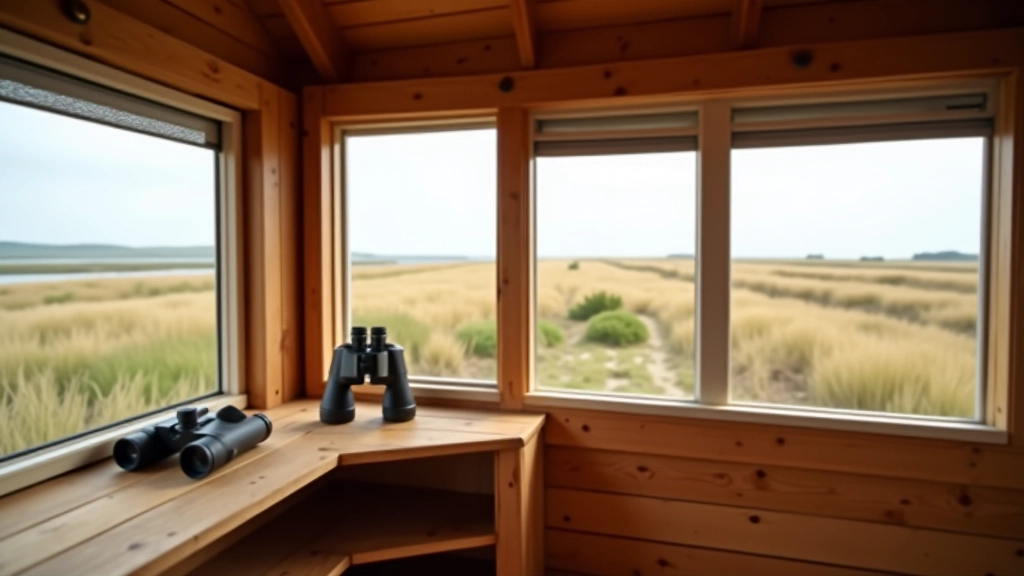
The bird hide itself provides shelter if weather turns. It's a solid structure with windows on three sides, so you can watch birds while staying dry. There's no other covered areas on the main boardwalk, so bring a light jacket even if the forecast looks fine.
Drinking Water
There's no water fountains on the boardwalk itself. Bring your own bottle — a sensible idea anyway on a coastal walk where the wind can dehydrate you faster than you'd think.
Planning Your Visit: Practical Tips
Choose Your Timing
Weekday mornings (Tuesday-Thursday, 9-11 AM) offer the quietest experience. You'll have space to move at your own pace without feeling rushed. The light's good too for bird watching and photography if that interests you.
Dress for Coastal Weather
Waterford coast gets windy. Layers work best — you might be warm when you start but the wind picks up. A lightweight waterproof jacket takes minimal space. Comfortable walking shoes with grip matter more than you'd think on a damp boardwalk.
Bring What You Need
Water bottle (as mentioned, there's no fountains). Binoculars if you're into birds. A small notebook if you like recording what you see. A walking stick if you use one — plenty of people do, and it's perfectly normal here. Don't feel self-conscious.
Take Your Time
A full visit might be 1.5 to 2 hours if you walk the whole thing and rest a few times. But honestly, 45 minutes to an hour is enough for a rewarding visit. You'll see salt marsh habitat, migrating birds, and get fresh air. That's a complete experience — no need to overdo it.
Important Information
This guide is informational based on typical conditions at Tramore Backstrand. Accessibility features, facilities, and path conditions can change due to weather, maintenance, or seasonal factors. We recommend contacting Waterford visitor services or the site directly before planning your visit if you have specific accessibility requirements or concerns. Individual needs vary — what works for one person might not work for another. Consider your own mobility, fitness level, and comfort when planning your visit. If you have medical conditions that affect your ability to walk outdoors, consult with your healthcare provider before visiting.
Making the Most of Your Visit
Tramore Backstrand works well for older visitors because it's been thoughtfully designed with real accessibility needs in mind — not as an afterthought. The boardwalk itself is solid, the path's manageable, there's seating, and the facilities are genuine. You're not struggling against the environment; it's built to accommodate you.
The best visits we've heard about are the ones where people arrive without pressure. No need to complete the full loop. No need to rush. Come mid-week if you prefer quiet. Bring what makes you comfortable. Rest when you need to. The marsh and the birds will still be there whether you spend 45 minutes or two hours.
It's a place that rewards a gentle pace. That's the whole point.