Understanding Salt Meadow Ecosystems
Salt meadows are among Ireland's most dynamic and life-rich ecosystems. They're shaped by tides, adapted to survive salinity, and teeming with specialized species found nowhere else. Let's explore what makes these coastal wetlands so unique.
What Is a Salt Meadow?
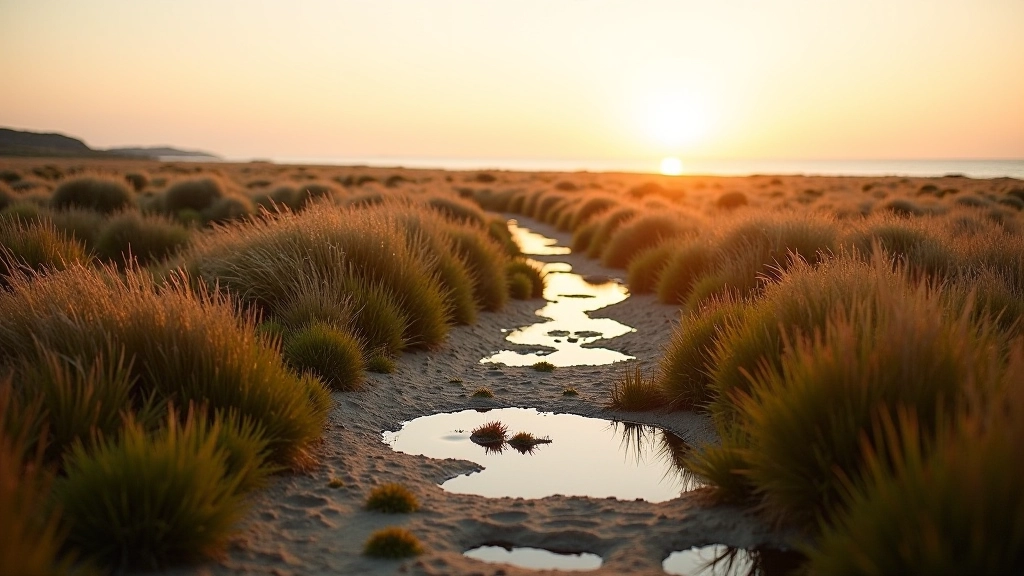
A salt meadow isn't just a wet patch of grass. It's a carefully balanced habitat where the land meets the sea, flooded by tidal waters twice daily. The soil's salinity changes constantly — fresh rainwater mixes with seawater, creating conditions that only specialized plants can tolerate.
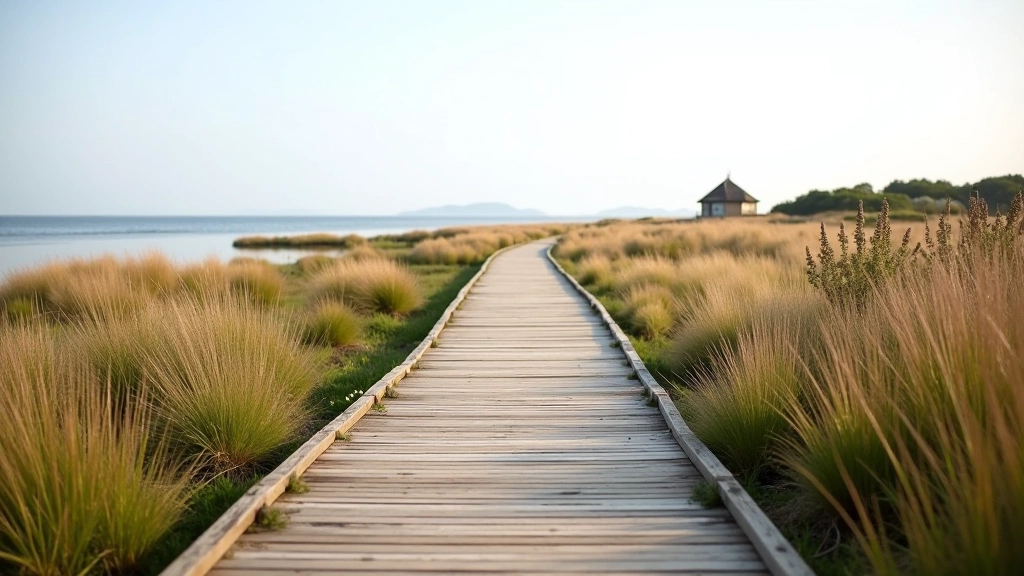
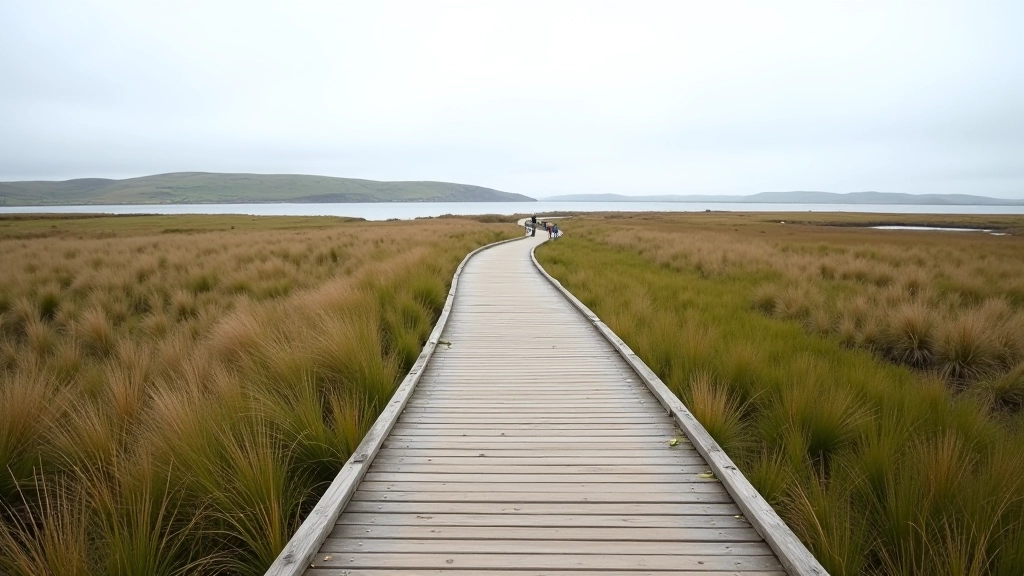
Around Tramore Backstrand, these meadows have existed for centuries. They're not just beautiful to observe from the boardwalk — they're functioning ecosystems supporting hundreds of species. Plants like sea pink, glasswort, and salt marsh grass have evolved remarkable adaptations. Some store excess salt in their leaves and shed them. Others develop deep root systems to survive waterlogging.
Key Characteristics
- Flooded 1-2 times daily by tidal action
- Soil salinity 10-30 parts per thousand
- Low oxygen, waterlogged substrate
- Specialized halophytic plant species
- Rich invertebrate populations
The Tidal Rhythm
Life in a salt meadow revolves around tides. The same area can be underwater at high tide and exposed at low tide. This predictable rhythm shapes everything — plant structure, animal behavior, soil chemistry.
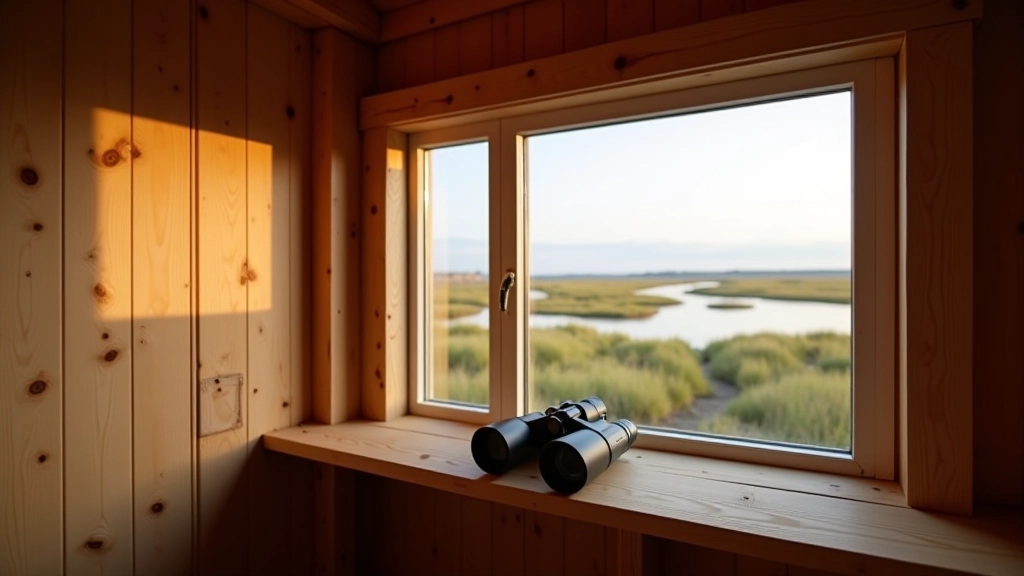
When the tide comes in, seawater floods the meadow. Oxygen decreases rapidly in the soil. Plants with special aerenchyma tissue (air channels) manage this — they're basically equipped with internal plumbing systems. When the tide goes out, the exposed mud becomes accessible to feeding birds and invertebrates. You'll notice this pattern if you visit the hide at different times — the birds' behavior shifts dramatically between tidal stages.
The salt content matters too. After seawater evaporates, salt crystals concentrate in the soil. Most plants can't handle this — but halophytes actually need it. Some species won't grow well in normal soil. That's why you won't find common grasses here; instead you'll see cordgrass and glasswort dominating the landscape.
Plant Adaptations
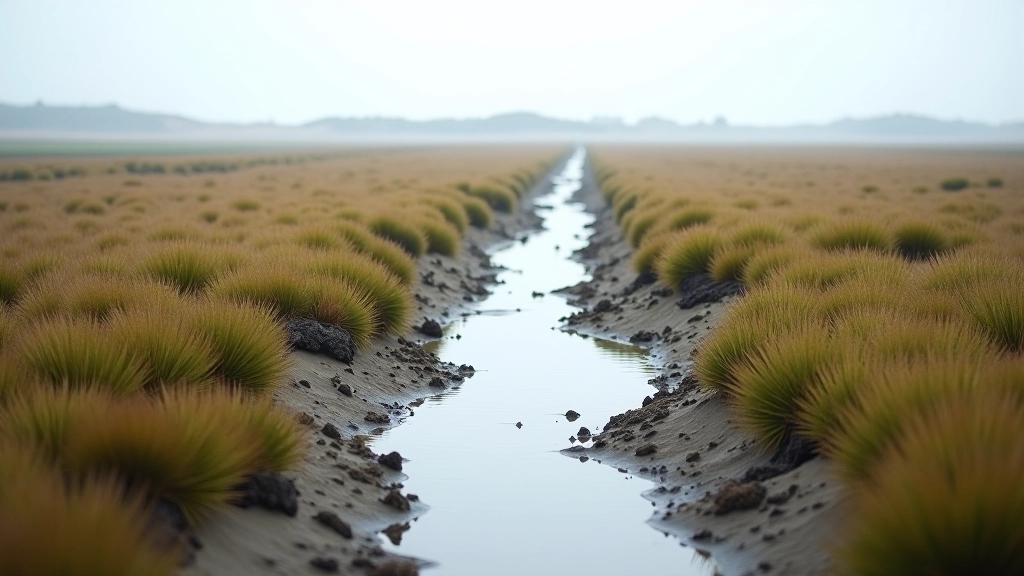
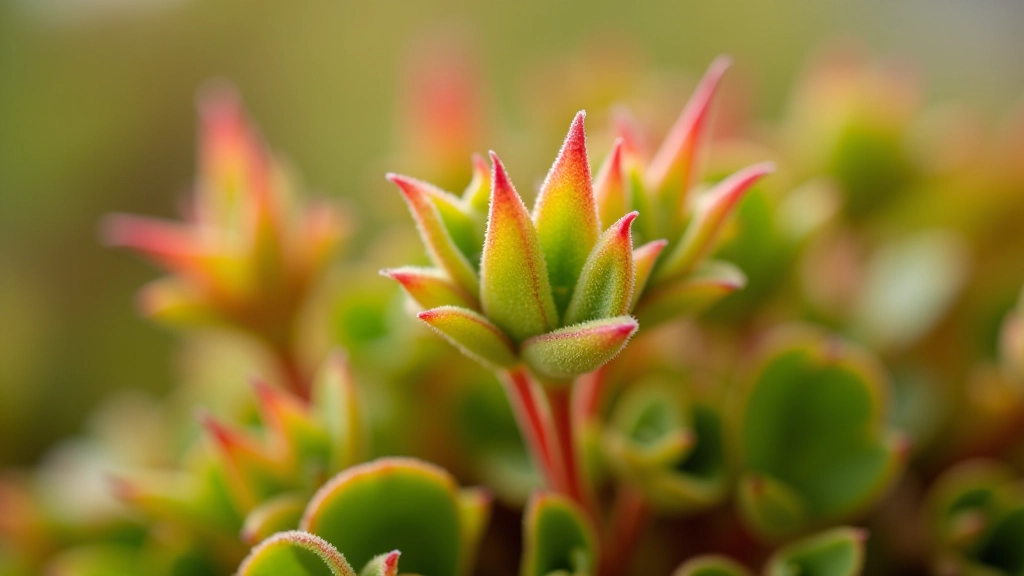
The plants you'll observe from the boardwalk are evolutionary marvels. They've solved problems most plants never face. Sea pink (Armeria maritima) is a common sight — small, pink flowers clustered on stiff stems. The plant concentrates salt in old leaves, then drops them, effectively excreting the salt.
Cordgrass (Spartina anglica) is another fascinating species. It's actually a hybrid created naturally in the 1890s when two cordgrass species met in southern England. It's now widespread around Ireland's coasts, incredibly efficient at stabilizing mudflats. The plant has special salt glands on its leaves — you can see crystalline salt deposits on the surface if you look closely.
Perhaps most remarkable is glasswort (Salicornia), sometimes called samphire. It looks almost like a succulent cactus, with fleshy segmented stems. It's actually edible — coastal communities have harvested it for centuries. The plant stores water in its tissues to dilute the salt internally. In autumn, it turns brilliant red as it concentrates anthocyanin pigments, signaling the season's end.
Wildlife & Food Webs
From the bird hide, you're observing just the top layer of this ecosystem. Below the water and mud lies a thriving food web. Invertebrates are the foundation — amphipods, nematodes, and small crustaceans process the plant material and detritus. They're invisible but essential.
Fish move in with the tide. Small gobies, mullet, and sand eels use the meadow as a nursery. They're safer here than in open water — predators struggle in the shallow, vegetation-choked environment. Shrimp and juvenile crabs shelter among the plant stems. It's a nursery habitat that supports commercial fish populations miles away.
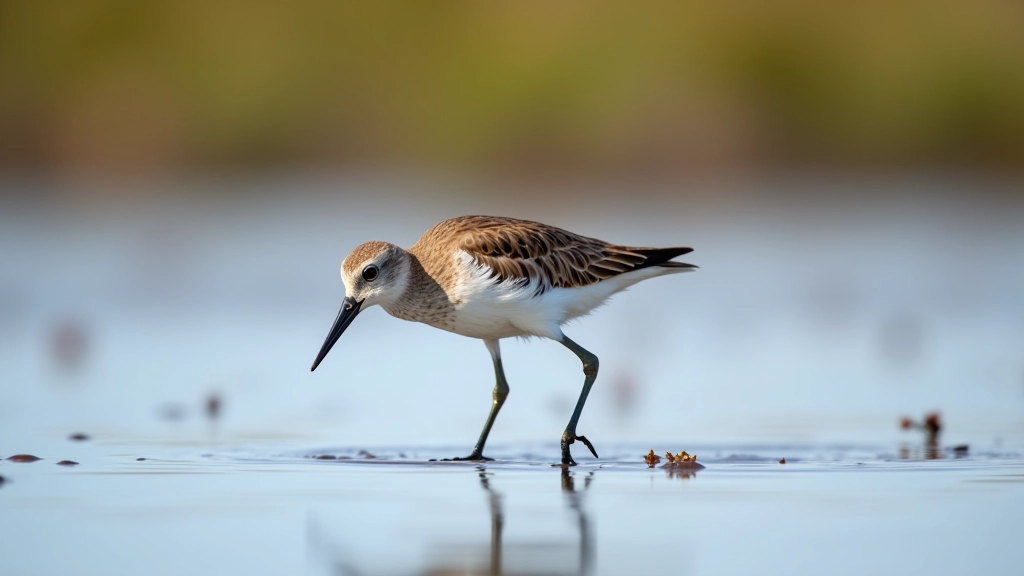
Birds you'll spot from the hide include redshank, dunlin, and curlew. They're wading birds adapted to probe the mud for invertebrates. Their feeding activity is most intense during low tide when mudflats are exposed. Grey herons hunt the tidal pools. Mallards dabble in shallow water. In migration season, the meadow becomes a critical refueling station for birds traveling thousands of kilometers. A single meadow might support dozens of bird species across the year.
Threats & Conservation
Salt meadows face serious pressures. Sea level rise is the biggest long-term threat. As oceans rise, the high-tide mark moves inland. Meadows can migrate upslope if there's space, but often they're hemmed in by roads or development. The result? The meadow gets squeezed between rising water and immovable barriers.
Pollution is another problem. Agricultural runoff brings excess nutrients, triggering algal blooms that smother plants and deoxygenate water. Oil spills and plastic debris harm birds and small animals. Invasive species sometimes outcompete native plants. Some salt marsh invasives like Japanese knotweed can completely change the habitat structure.
That's why places like Tramore Backstrand matter. The boardwalk and bird hide exist because people recognize this habitat's value. Protected areas allow natural processes to continue. Research from these sites informs conservation strategy across Ireland. When you visit and observe carefully, you're contributing to that knowledge — every recorded bird sighting, every observation of plant growth, matters to understanding how these ecosystems respond to change.
Experience the Living System
Understanding salt meadows changes how you experience them. You're no longer just looking at a muddy expanse. You're observing an intricate living system adapted to conditions that would kill most ecosystems. Every plant you see is solving a puzzle. Every bird visiting the hide is following instincts honed over millennia.
The best way to truly understand these ecosystems is to visit in different seasons, at different tides. Visit at low tide when the mudflats are exposed. Return at high tide when the water covers everything. Come during bird migration season. Each visit reveals something different. The boardwalk at Tramore makes this accessible — you can observe from a comfortable, stable platform without disturbing the habitat. That's the whole point of good conservation design.
Next time you're at the boardwalk, spend time in the hide. Watch the tides change. Notice which plants are where. Count the bird species. You're not just enjoying a nice walk — you're witnessing one of Ireland's most resilient, productive, and increasingly rare ecosystems. That understanding deepens the experience.
Information Disclaimer
This article provides educational information about salt meadow ecosystems based on current ecological knowledge. Conditions at specific locations like Tramore Backstrand may vary seasonally and annually. For detailed information about visiting, accessibility, or guided tours, please check with local authorities or visitor center information. Species identification from a distance can be challenging — field guides and experienced naturalists can help with accurate identification.

Related Articles