Bird Watching Guide for the Hide
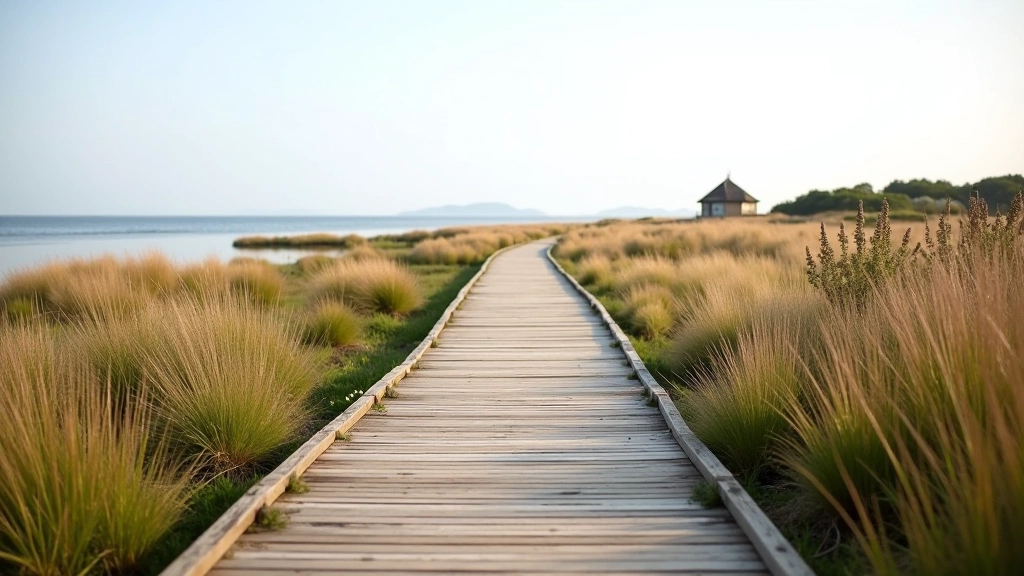
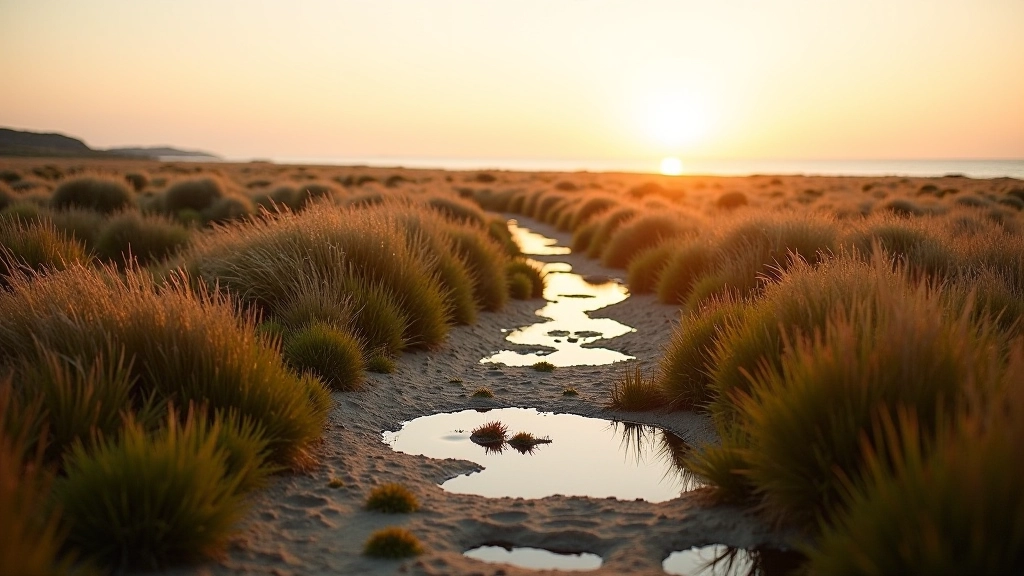
Everything you need to know about observing coastal birds from Tramore's renowned bird hide. Learn identification techniques, optimal viewing times, and how to make the most of your wildlife experience.
Why the Hide is Perfect for Bird Watching
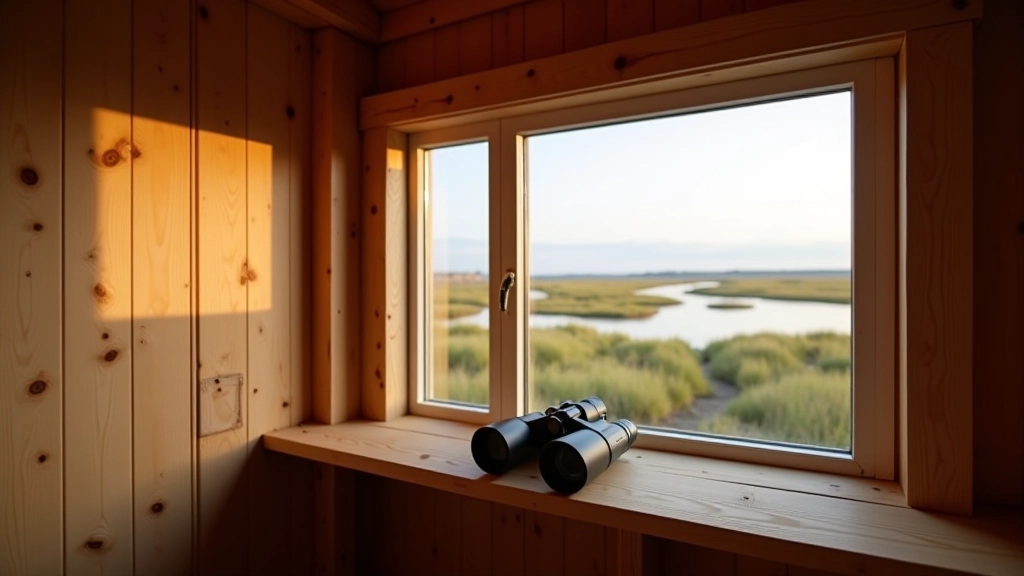
The bird hide at Tramore Backstrand isn't just a shelter — it's your gateway to understanding coastal bird behaviour. Built specifically for observation, the hide offers something precious: a hidden vantage point where you can watch birds behaving naturally, without disturbance.
You'll notice the difference immediately. Birds don't flee from a hide the way they scatter from open observation. Instead, they feed, preen, and interact around you. It's fascinating stuff. Whether you're here for thirty minutes or three hours, there's always something happening across the marsh.
Essential Equipment You'll Actually Use
You don't need expensive gear to enjoy bird watching from the hide. We've watched plenty of people arrive with massive telephoto lenses and leave disappointed because they couldn't find anything to photograph. Meanwhile, someone with basic binoculars and a notebook is having the time of their life.
- Binoculars (8x42 or 10x42) — These are the standard for a reason. Eight times magnification, forty-two millimetre objective lens. You'll see feather detail from across the marsh.
- Field guide — Get one specific to Irish birds. You'll need it for identification, especially with warblers and waders that look frustratingly similar.
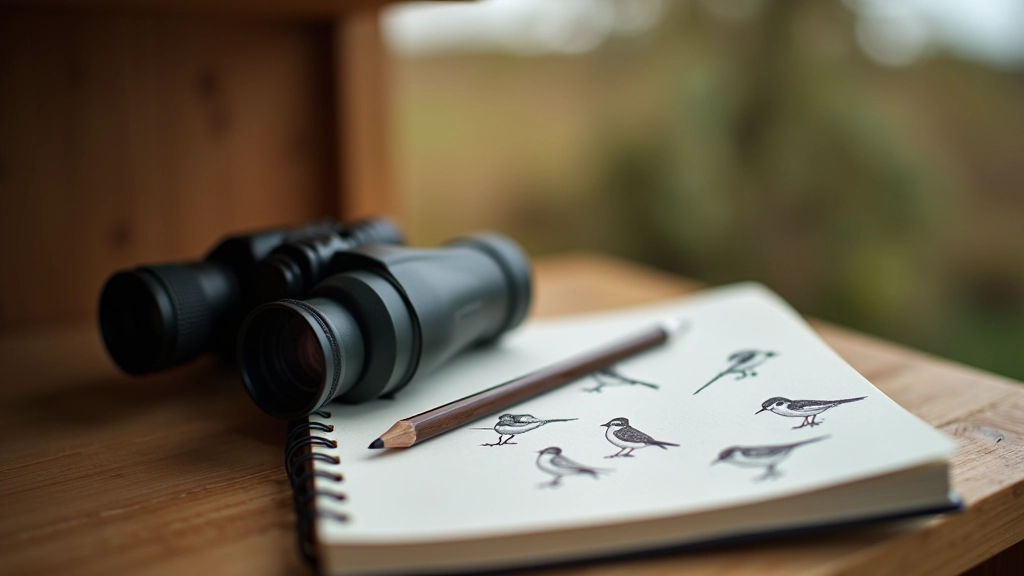
- Notebook and pencil — Write down what you see, times, behaviours. It's how you actually learn bird identification instead of just staring at something and forgetting it.
- Warm layers — The hide keeps wind out, but it doesn't heat the place. Bring a fleece or waterproof jacket even in summer.
Learning to Identify Birds Properly
Here's what catches most beginners off guard: identifying birds isn't about memorizing what they look like in a field guide. It's about watching behaviour and understanding size relationships.
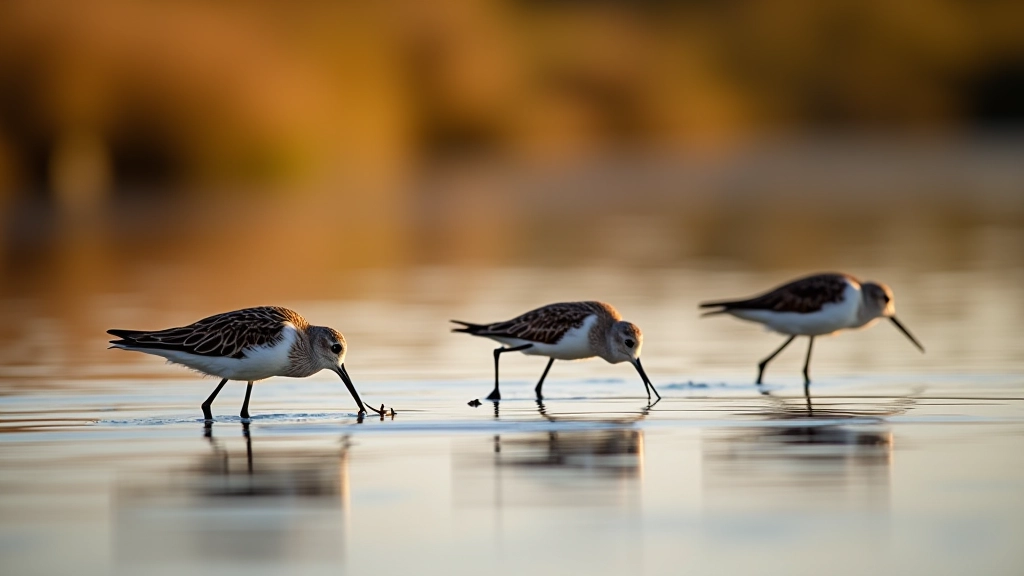
Start with silhouette and shape. A curlew's curved bill is instantly recognizable once you've seen it twice. Redshanks have that distinctive red on their legs — but you won't see that detail from far away. Instead, notice their size (about a pigeon), their restless movement, and their habit of feeding in flocks.
Pro tip: Use the "jizz" method. This is actual ornithology terminology — "general impression of size and shape." Look at how a bird moves, its proportions, and behaviour before you even try to identify specific markings.
Best Times for Productive Bird Watching
Timing matters enormously. The hide isn't equally good at all hours. Plan your visit around these windows and you'll see far more activity.
Early Morning (6:30-9:00 AM)
Birds are most active after dawn. You'll see feeding frenzies, territorial behaviour, and song activity. The light's softer too, which helps with photography and detailed observation.
Two Hours Before High Tide
Rising water pushes waders and other birds into tighter areas. You'll see more concentrated activity as the marsh floods. Check tide tables before you visit — this matters more than time of day.
Spring & Autumn Migration
April-May and August-September bring rare visitors passing through. You'll see species you won't encounter in winter or summer. Warbler activity in May is particularly exciting.
Avoid Midday
10 AM to 3 PM tends to be slow. Birds rest in heat, visibility becomes hazy, and the sun position makes viewing harder through the hide windows.
Understanding Bird Behaviour in the Marsh
What makes the hide special isn't just observation — it's understanding. When you see a redshank running back and forth, it's not random. That bird's defending a feeding territory. When waders suddenly take flight in panic, something spooked them. Maybe it's a harrier overhead, or a fox at the marsh edge.
Start noticing patterns. Curlews tend to probe deeper in the mud, while dunlins pick at the surface. Redshanks are aggressive and sociable. Herons are patient stalkers. Once you understand these patterns, you're not just watching birds — you're reading the story of the marsh ecosystem.
Practical Tips for Hide Use
Move Slowly and Quietly
Birds hear and see movement through the hide windows. Don't bang the door, avoid sudden gestures, and keep conversation to whispers. You're hidden, but not invisible.
Position Yourself at the Windows
The three viewing windows face different areas of the marsh. Spend time at each one. The side windows often give better close-up views than the front.
Use Your Eyes First, Binoculars Second
Spot movement with naked eyes, then bring binoculars to bear. Scanning with binoculars constantly exhausts you and you'll miss things.
Keep Your Notebook Simple
Write time, species, number seen, and interesting behaviour. Don't get so focused on notes that you miss the live action. Details matter more than quantity.
Important Information
This guide provides educational information about bird watching at Tramore Backstrand's hide. Bird identification can be subjective and depends on viewing conditions, lighting, and distance. For rare sightings or uncertain identifications, consult experienced local birders or ornithological resources. Always respect wildlife and follow the hide usage guidelines. Weather conditions and tidal patterns affect bird activity — plan accordingly and check local conditions before visiting.